Marianne's Story

Marianne | Living with MS

“Life consists of so much more than just being sick.”

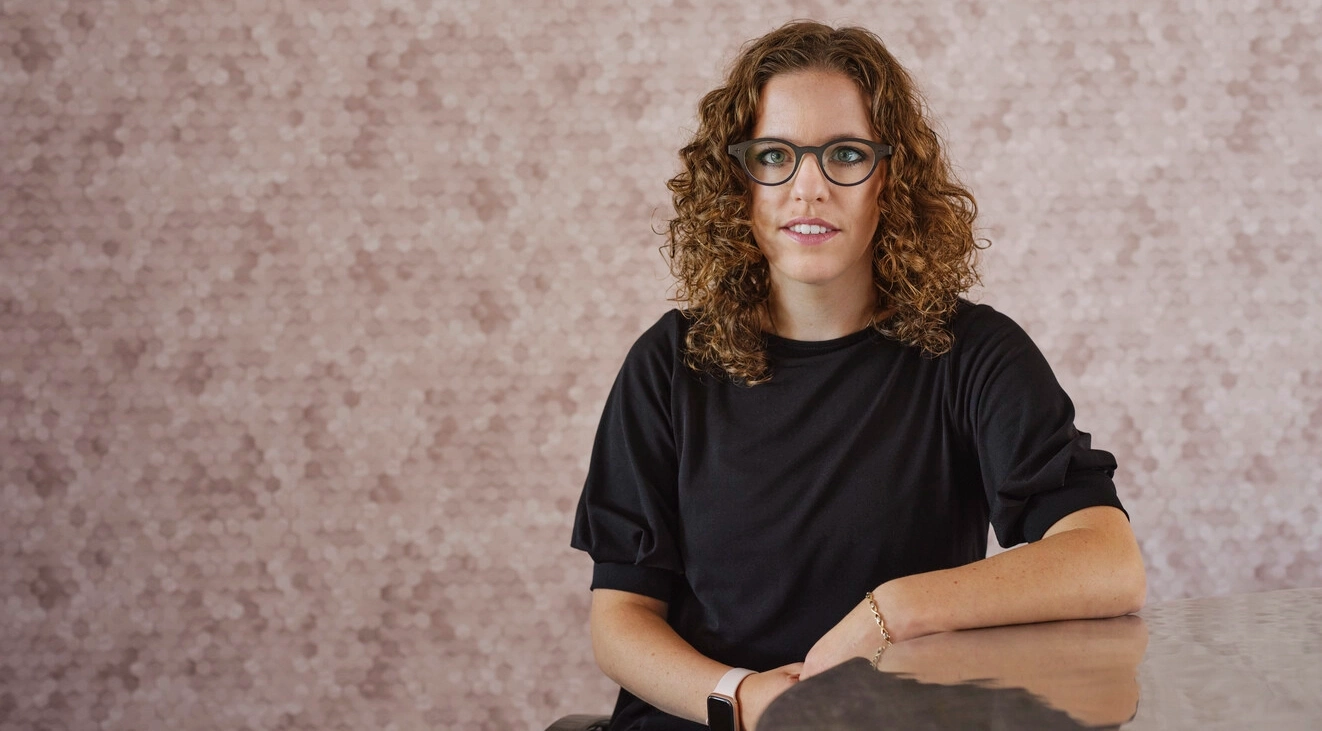
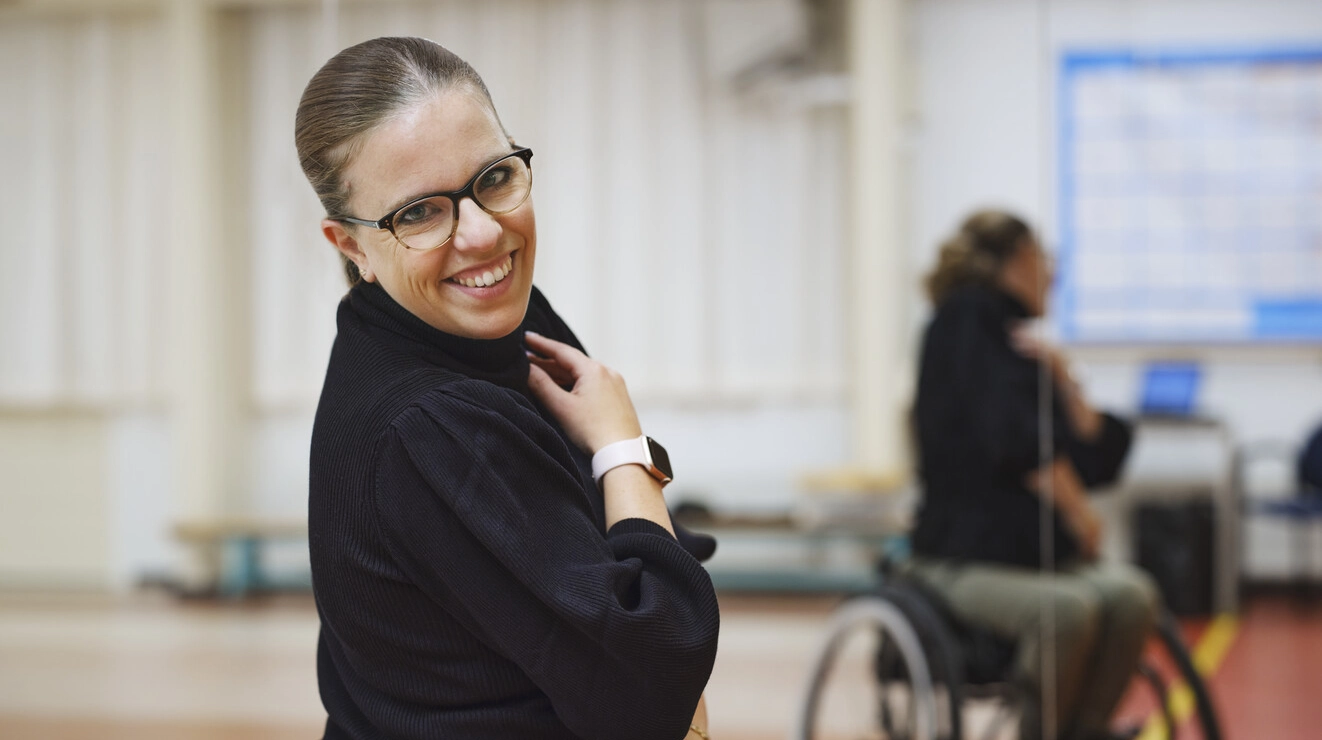
Marianne is 36 years old, and she lives in the Netherlands with her husband and two small children. She’s a passionate athlete and has competed in figure skating at a very high level. She loves to dance, spend time playing with her children and baking delicious cakes, perfectly decorated with fondant icing and all. She also enjoys going on holidays with her family. Sometimes it’s a weekend away camping in a holiday park, or further afield like Garda Lake in Italy.
Life consists of so much more than just being sick.

Marianne’s diagnosis

Her MS journey began when she was breastfeeding her youngest child. She started experiencing tingling in her limbs, as well as a worsening of her vision and fatigue. Marianne dismissed these symptoms as a biproduct of having recently given birth and breastfeeding.

 
It was only when her condition worsened that she contacted her doctor. The first MRI didn’t show any results. Therefore, her symptoms were treated without knowing their cause. When a hospital in another town performed an MRI scan with contrast fluid, they noticed the telltale lesions that signal multiple sclerosis. A lumbar puncture confirmed their suspicions, and Marianne was diagnosed with remitting multiple sclerosis.

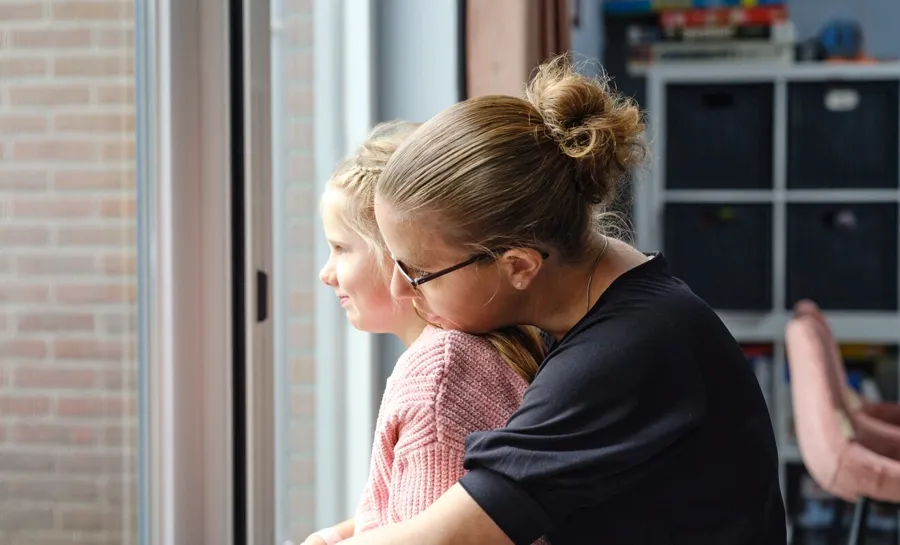
Candid photo of Marianne and her daughter. When Marianne’s condition worsened, she contacted her doctor. Eventually, she was diagnosed with MS.
Marianne | Living with MS

Marianne’s bladder issues

When Marianne began experiencing bladder issues, she immediately made the connection with her MS diagnosis. She had done a lot of research on different symptoms of MS, so she knew that bladder issues may well appear. At first, she tried to manage the issues on her own, but the unpredictability of her bladder made her withdraw more and more from the outside world. When it got so bad that she stopped leaving the house, she knew it was time to get help from her doctor.


My bladder problems started with me going to the toilet too late. Or having to go to the toilet, but nothing would happen. First, it was only now and again. But it kept getting worse, and soon it wasn’t manageable anymore

Marianne | Living with MS

Marianne’s introduction to catheterisation

At first, the doctors tried to manage her bladder with medication. But the situation didn’t improve. After some time, catheterisation was suggested as the way forward. Marianne had friends who catheterised, but she had no idea how it worked or what it would entail. She was simply happy there was a solution; something that could help her regain control over her bladder.

 
“When I first heard I had to catheterise, I didn’t know what to expect. I have friends who catheterise, so it wasn’t entirely new to me. Although I had no idea how it worked, I was just happy there was a solution”

 
It took a couple of days of performing intermittent self-catheterisation before she got the hang of it. Then it quickly became a normal part of her daily life. Once up and running with her catheters, she appreciated the freedom it gave her. As Marianne says, “the biggest benefit of catheterisation is that I’m the one to decide when it happens.” 

Catheterisation gave me my freedom back. I could go where I wanted and was no longer dependent on my bladder.

Marianne’s support network

Throughout everything, Marianne’s friends have been a great support. They check in on her, ask if she’d like to arrange a getaway, or if she needs anything. She feels lucky to have them.

Photo of Marianne dining out with friends. Marianne has a good support network of friends to help her.
Marianne | Living with MS

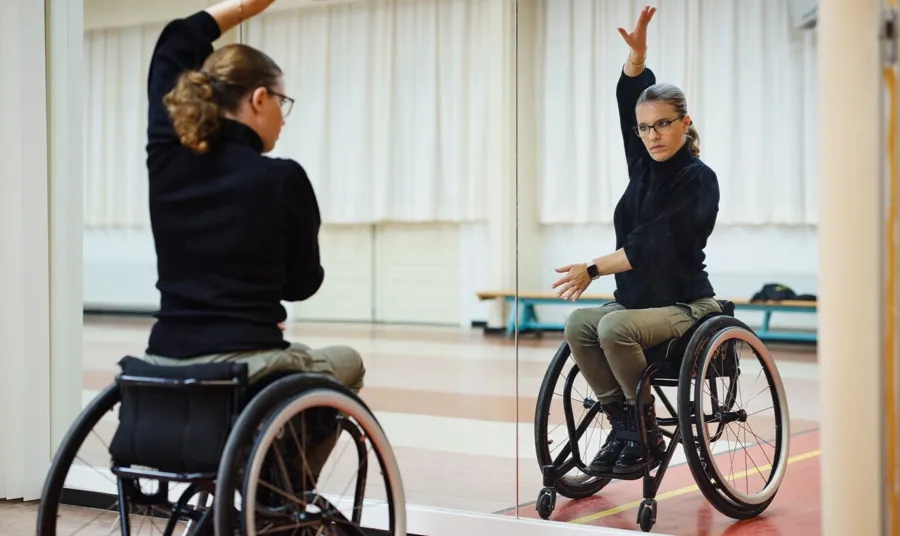
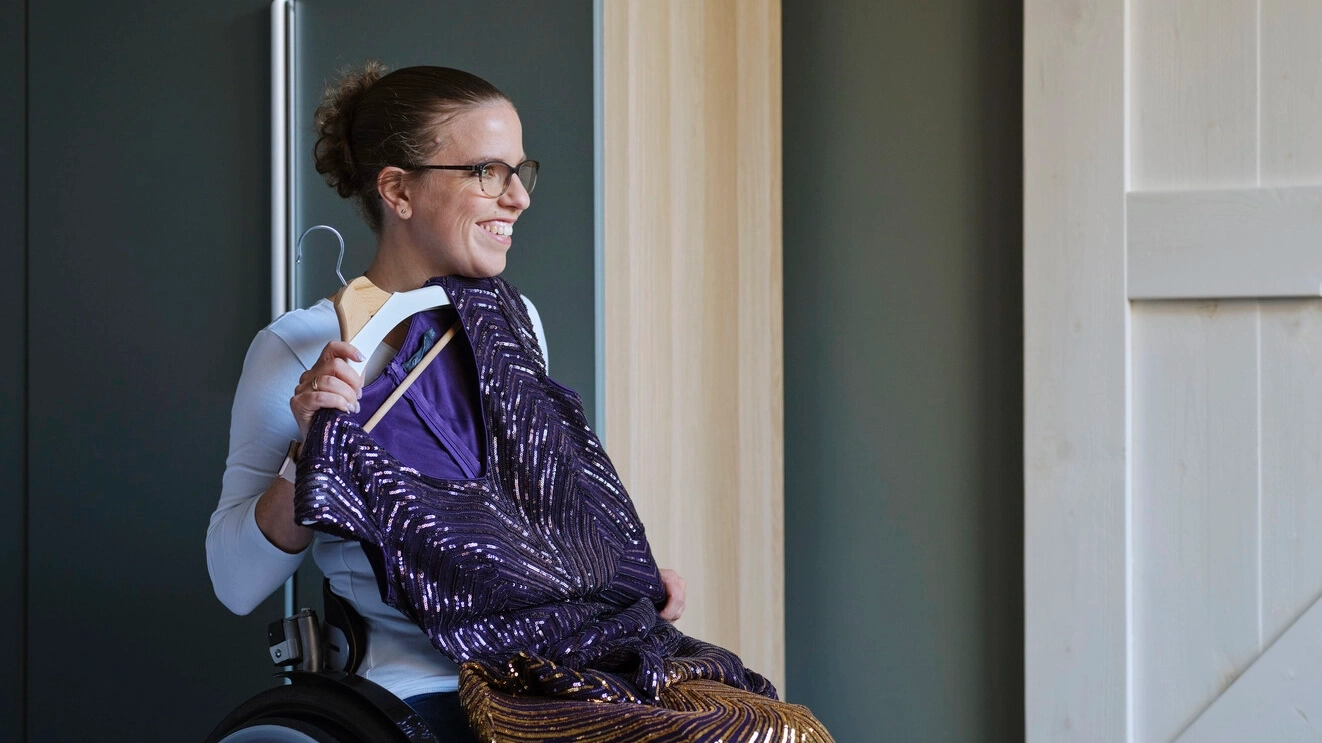
Now, Marianne has also discovered wheelchair dancing, and she performs dances like the rumba, paso doble and the chachacha together with her dancing partner. They compete in wheelchair dancing competitions far and wide, including competitions in the Netherlands, Germany, and Belgium,

 
“When you’re dancing and you’re beautifully made up, your hair looks good and you’re wearing a nice dress, it gives a sense of pride. That you’ve found something and you’re doing something even though you do experience some limitations in your daily life. And my children think it’s fantastic. They love to see mum in a beautiful dress.”

Photo of Marianne in her dance studio. Marianne has discovered wheelchair dancing, and she performs dances like the rumba, paso doble and the chachacha together with her dancing partner.
Marianne | Living with MS

PM-40554